My local record shop owner—a guy named Dev who's been spinning wax since before I could walk—texted me something last month that made me nearly drop my coffee: "I'm doubling my vinyl order this quarter. Can't keep up with demand. The CDs are gathering dust." I laughed. Then I walked into his shop and saw a queue of teenagers, actual teenagers, flipping through crates like they were hunting for buried treasure. One kid, maybe sixteen, held up a battered copy of Fleetwood Mac's Rumours and asked Dev if it was "the original pressing." Dev nodded. The kid's face lit up like he'd found a golden ticket.
That's when it hit me. Vinyl records are outselling CDs again in 2025, and this isn't some nostalgic blip. It's a full-blown cultural shift. The numbers back it up—vinyl has now outsold CDs for several consecutive years, and the gap keeps widening. But here's the thing: this isn't just about music. It's about how we listen, why we collect, and what we're secretly craving in an age where everything streams and disappears.

The Tangible Truth: Why We're Ditching Plastic Discs for Grooves
Let's be honest. CDs were supposed to be the future. Shiny, indestructible, perfect sound forever. But somewhere between the rise of Spotify and the death of the car CD player, they became... boring. Nobody shows off their CD collection. Nobody frames a jewel case on their wall. But a vinyl record? That's a statement.
I've found that people aren't just buying music anymore—they're buying an experience they can hold. A vinyl record is heavy. It has artwork you can actually see without squinting. It smells like old paper and possibility. You have to do something to listen to it: pull it out, place it on the turntable, drop the needle, flip it after twenty minutes. That ritual matters.
Here's what most people miss: the revival isn't driven by audiophiles arguing about bit rates. It's driven by people who feel disconnected from the endless scroll of streaming. Vinyl forces you to slow down. It's the anti-skip culture. And in 2025, that's exactly what we need.
The Numbers Tell a Story (And It's Not the One You Think)
Let me throw some stats at you. In 2024, vinyl sales hit their highest point since the early '90s—over 40 million units globally. CDs? Still selling, but the trajectory is a slow slide. Meanwhile, Gen Z and millennials are the ones buying most of the vinyl. That's right, the generations who grew up with iPods and iPhones are the ones queuing up for wax.
Why? Simple. Vinyl records offer something streaming can't: ownership. When you buy a record, you own it. No licensing agreement. No "this song is no longer available in your region." No algorithm deciding what you should hear next. It's yours. And in a world where we rent everything from movies to music to our own attention spans, owning something feels radical.

The Record Store Comeback Is Real (And It's Saving Communities)
Dev's shop isn't an anomaly. Record stores are popping up in small towns and big cities alike. But these aren't dusty old shops from the '90s—they're community hubs. They host listening parties. They have coffee bars. They sell merch for local bands. They're places where people talk about music instead of just consuming it alone in their headphones.
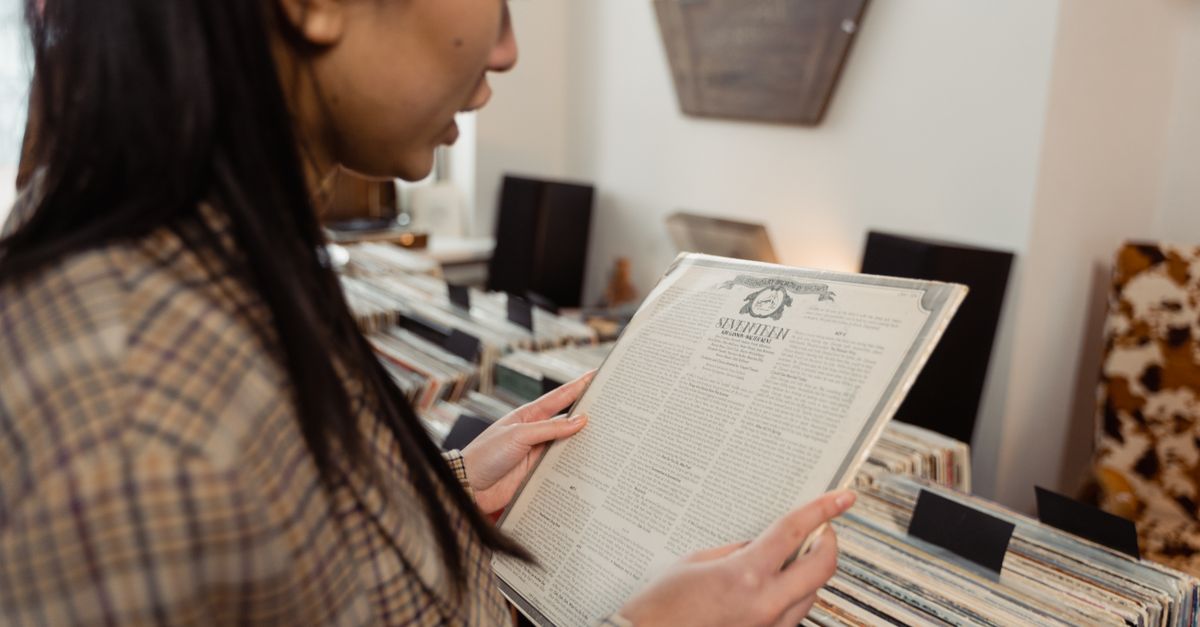
I've found that the vinyl revival is also a social revival. When you go to a record store, you're not just shopping. You're participating. You're asking the person behind the counter what they're spinning. You're flipping through the "Staff Picks" section and discovering something you'd never find on a streaming playlist. You're part of a scene.
And let's be real—the tactile joy of pulling out a gatefold sleeve and reading the liner notes while the record spins? That's a gift streaming never gave us.
The Downsides (Yes, There Are Some)
I'm not going to pretend vinyl is perfect. It's expensive. A new record can cost $30-$40. Turntables aren't cheap either. And if you're a commuter, lugging records around isn't exactly practical. Plus, the environmental impact of vinyl production—PVC, shipping weight, energy use—is a real concern. The industry is working on it (recycled vinyl, lighter pressings), but it's not solved.
Here's the thing, though: people are willing to pay for meaning. They'll spend forty bucks on a record they'll listen to fifty times because it matters to them. They'll save up for a turntable because they want the ritual. And honestly? That's a healthier relationship with music than paying $10 a month to skip through an infinite library without ever really hearing anything.
What This Means for Music Lovers Like You and Me
So what do we do with this information? A few things, I think.
- Start small. You don't need a $500 turntable and a wall of records. Buy one album you love. Play it. See how it feels.
- Visit a local record store. Not just to buy—to talk. Ask questions. Let the staff guide you. You'll discover things algorithms never would.
- Support artists directly. When you buy a record at a show, the artist gets a bigger cut. That matters more than ever.
- Don't ditch streaming entirely. Use it to discover. Use vinyl to connect. They're not enemies—they're different tools for different moods.
- Rethink your relationship with music. Are you listening, or just hearing? Vinyl forces you to answer that question.
The Needle Drops, and So Does the Mic
Here's my challenge to you: next time you're about to hit shuffle on a playlist, stop. Ask yourself what you're actually craving. Is it background noise? Or is it connection? If it's the latter, find a record store. Flip through some sleeves. Let your fingers get dusty. Talk to the person next to you about that one album they're holding. Buy something that costs more than a streaming subscription and listen to it all the way through.
The vinyl revival isn't a trend. It's a correction. We went too fast, too digital, too disposable. Now we're swinging back toward the tangible, the intentional, the slow. And honestly? I'm here for it. My coffee's still warm, Dev's shop is still buzzing, and somewhere a sixteen-year-old is discovering Fleetwood Mac for the first time—the way it was meant to be heard.
What's the first record you'd buy if you started today? I'd love to know. Drop it in the comments—or better yet, tell the person behind the counter at your local shop. They'll probably have a story for you.
